As the world becomes increasingly digital, education remains a crucial factor in determining economic opportunities. However, the digital divide continues to limit access to quality education, reinforcing economic disparities between developed and developing regions. Many individuals lack the internet access, …
The world around us is changing at an incredible pace, and the job market is no exception. What worked yesterday may not work today, and what works today may be obsolete tomorrow. In this dynamic environment, traditional education systems are …
The Changing Landscape of Global Education In 2025, international education is evolving faster than ever. Political shifts, economic challenges, and digital advancements are reshaping how students, institutions, and governments approach learning. As traditional education models face disruption, the need for …
Education is more than just personal development—it has a profound ripple effect that influences economies, innovation, and global cooperation. Investing in education transforms societies, fosters economic growth, and drives social equity. In this blog, we explore how expanding global access …
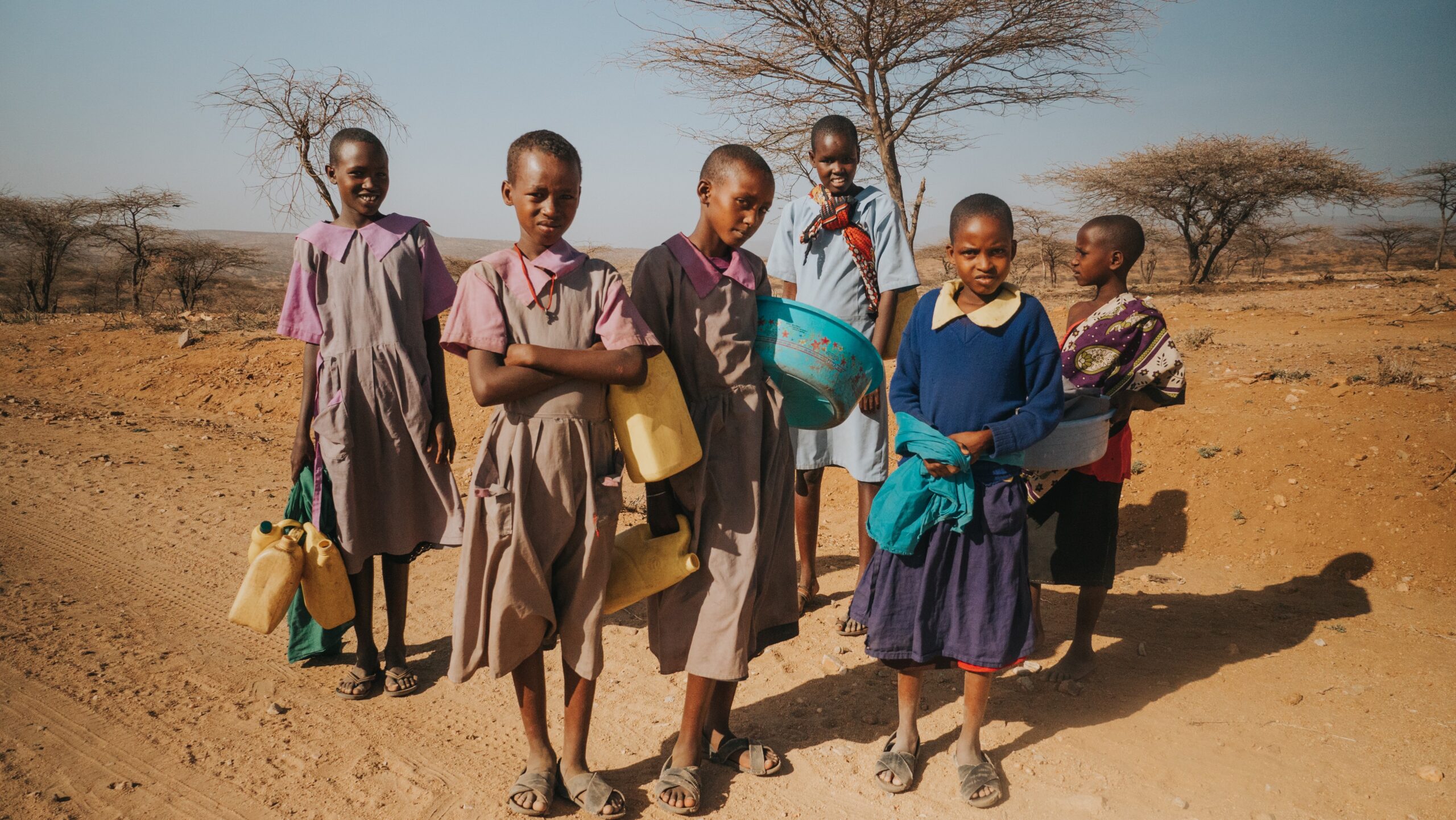
The Global Education Crisis: Why It Matters Education is often seen as the foundation of success, innovation, and economic progress. But what happens when millions of young people around the world are denied access to quality education? The impact extends …
The landscape of higher education is undergoing a seismic shift, driven by technological advancements, globalization, and an increasing demand for flexible learning solutions. In this dynamic environment, the International School of Business, Social Science, and Technology (ISBSS) is emerging as …
Education should open doors. Yet for many students in developing countries, their degrees often do the opposite, limiting opportunities rather than expanding them. With qualifications that lack international recognition and limited pathways to global careers, millions of graduates find themselves …
Education should be accessible to all, yet rigid systems exclude millions of potential learners—especially working professionals, rural students, and women. Traditional education models assume full-time availability, financial stability, and physical presence, making it difficult for many to participate. Barriers to …
Higher education is often seen as a gateway to better job opportunities, but for many students in developing regions, degrees fail to provide international mobility. Without global accreditation, many graduates find themselves locked out of multinational job markets. Limited Accreditation …
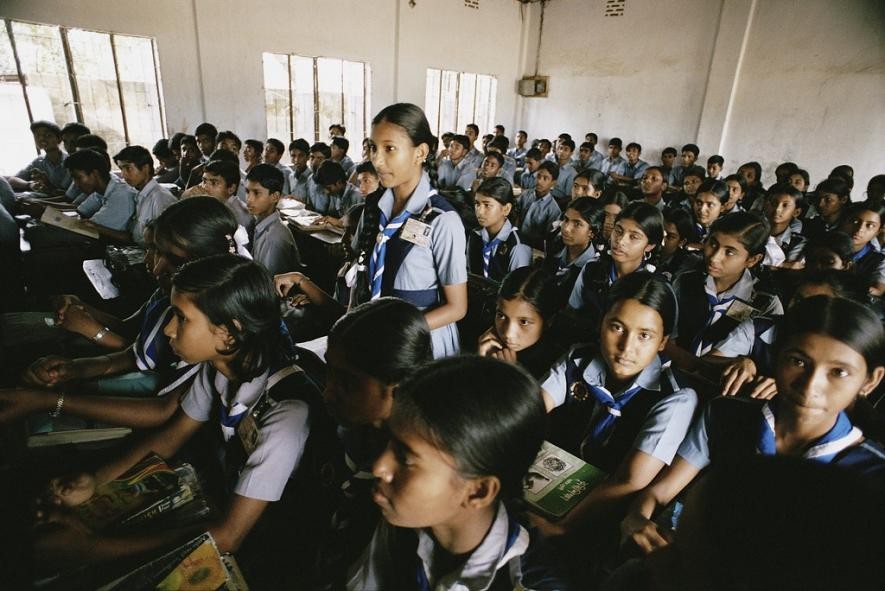
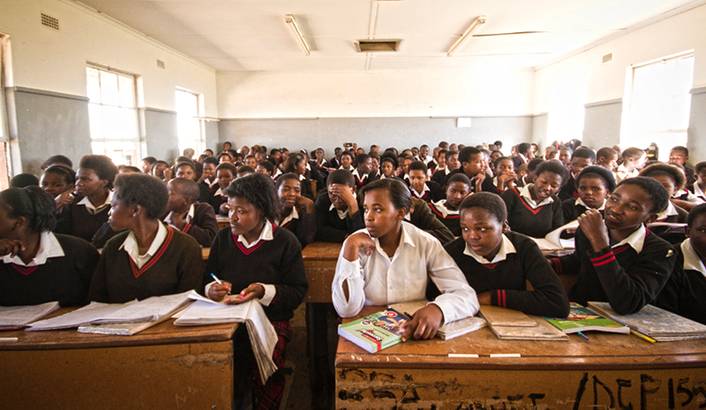
Education is often hailed as the key to economic advancement and personal success. However, for many students in developing regions, the reality is far from this ideal. Local education systems suffer from outdated curricula, overcrowded classrooms, and teacher shortages— severely …